What is the Avalanche Debt Repayment Method?
Dec 12, 2025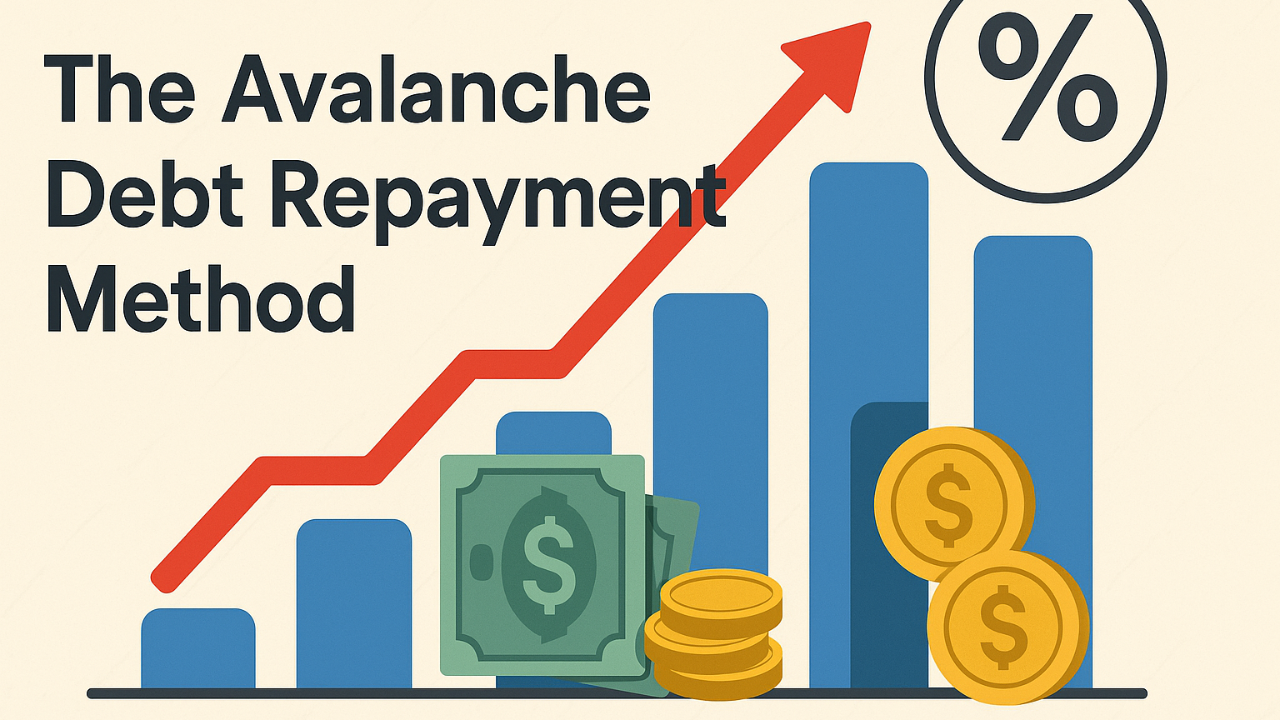
Debt can feel overwhelming—not just because of the numbers, but because of the emotional weight it carries. When multiple balances are competing for your attention, knowing where to start can feel paralyzing. That’s where a clear repayment strategy can help bring both structure and relief.
One such strategy is the avalanche debt repayment method—a mathematically efficient approach designed to help you pay off debt faster and with less interest over time.
Let’s break down how it works, who it’s best for, and how to decide whether it fits into your broader financial mosaic.
What Is the Avalanche Debt Repayment Method?
The avalanche method prioritizes interest rates, not balances.
Here’s the basic idea:
-
You list all your debts from highest interest rate to lowest interest rate.
-
You make minimum payments on all debts.
-
Any extra money you can put toward debt goes to the balance with the highest interest rate first.
-
Once that debt is paid off, you “roll” that payment into the next-highest interest rate debt.
The name “avalanche” comes from the idea that once the highest-interest debt is eliminated, momentum builds and the rest of your debt can fall away more efficiently.
Why the Avalanche Method Works
From a purely mathematical perspective, the avalanche method is the most cost-effective way to pay off debt.
Because high-interest debt grows faster, paying it down first means:
-
You pay less total interest over time
-
More of your money goes toward principal, not fees
-
Your debt repayment timeline is often shorter
For people who like logic, efficiency, and long-term optimization, this approach can feel grounding and empowering.
An Example of the Avalanche Method in Action
Let’s say you have three debts:
-
Credit Card A: $4,000 at 22%
-
Credit Card B: $2,500 at 17%
-
Student Loan: $12,000 at 5%
With the avalanche method:
-
You pay the minimum on all three.
-
Any extra money goes to Credit Card A (22%), even though it’s not the largest balance.
-
Once Credit Card A is paid off, you move to Credit Card B, then the student loan.
This order minimizes how much interest compounds against you over time.
Who Is the Avalanche Method Best For?
The avalanche method tends to work best for people who:
-
Are motivated by logic and long-term savings
-
Can stay focused even if progress feels slow at first
-
Prefer a clear, optimized system
-
Aren’t dependent on frequent “small wins” for motivation
In My Money Mosaic language, this approach often resonates with Classic or Artisan design styles—those who value intentional strategy and measurable outcomes.
The Emotional Trade-Off
While the avalanche method saves money, it doesn’t always deliver quick emotional wins.
Because high-interest debt isn’t always the smallest balance, you may spend months paying down a single account before seeing it disappear. For some people, that’s fine. For others, it can feel discouraging.
This doesn’t make the method bad—it just means that your emotional relationship with money matters as much as the math.
A strategy only works if you can sustain it.
Avalanche vs. Other Debt Strategies
You may have heard of the snowball method, which prioritizes smallest balances instead of interest rates. While snowball can offer faster psychological wins, avalanche tends to win on efficiency.
Neither is morally superior.
The “best” method is the one that aligns with:
-
Your motivation style
-
Your stress tolerance
-
Your capacity for consistency
Debt repayment isn’t just a financial exercise—it’s a relational one.
How to Know If the Avalanche Method Is Right for You
Consider these reflection questions:
-
Do I feel more motivated by saving money or by seeing quick progress?
-
Can I stay consistent even if results take time?
-
Does structure reduce my stress—or increase it?
-
How does this method support the financial way of being I’m trying to cultivate?
Your answers matter more than any spreadsheet.
Final Thoughts
The avalanche debt repayment method is a powerful, efficient tool—but it’s still just a tool. It works best when it’s integrated into a broader, values-aligned financial plan that honors both your numbers and your nervous system.
Debt repayment is not about punishment or restriction. It’s about creating more space—financially, emotionally, and relationally—for the life you want to live.