What Is a Roth IRA?
Dec 13, 2025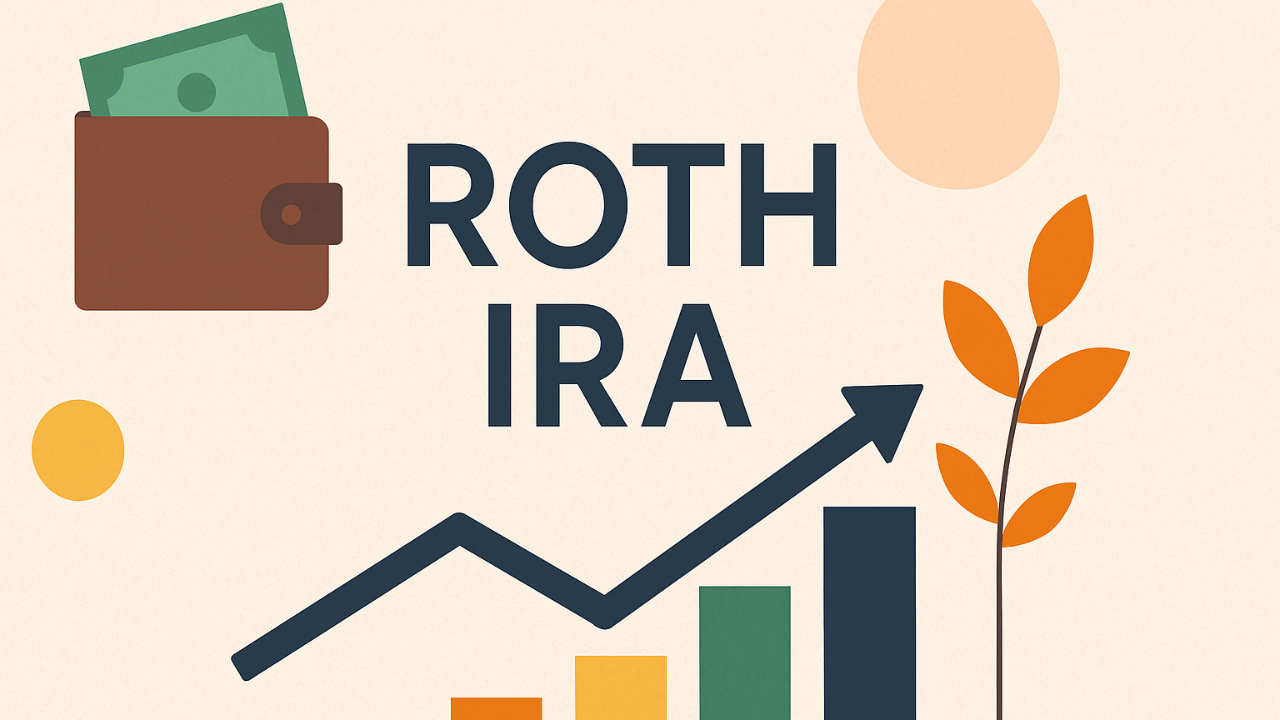
A Roth IRA is a type of individual retirement account designed to help you save and invest for the future—using money you’ve already paid taxes on. While it’s often talked about as a “retirement account,” a Roth IRA is really a long-term wealth-building tool that offers flexibility, tax advantages, and choice.
At its core, a Roth IRA rewards patience and consistency rather than perfection.
How a Roth IRA Works
When you contribute to a Roth IRA, you’re investing after-tax dollars. That means you don’t get a tax break today—but in exchange, your money can grow and be withdrawn tax-free later.
Here’s the basic flow:
-
You contribute money you’ve already paid income tax on
-
Your contributions are invested (stocks, bonds, mutual funds, ETFs, etc.)
-
Your investments grow over time
-
In retirement, qualified withdrawals come out tax-free
This tax-free growth is what makes Roth IRAs so powerful.
Key Benefits of a Roth IRA
1. Tax-Free Growth
As long as you follow the rules, you won’t owe taxes on your investment earnings when you withdraw them in retirement.
2. Flexible Access to Contributions
You can withdraw your original contributions (not earnings) at any time, for any reason, without taxes or penalties. This makes Roth IRAs more flexible than many people realize.
3. No Required Minimum Distributions (RMDs)
Unlike traditional retirement accounts, Roth IRAs do not require you to withdraw money at a certain age. This allows your money to keep growing for as long as you want.
4. Helpful for Younger Savers
If you’re early in your career—or expect to earn more later—a Roth IRA can be especially beneficial since your current tax rate may be lower than it will be in the future.
Roth IRA Contribution Rules (At a Glance)
-
Contribution limit: Set annually by the IRS
-
Income limits: High earners may have reduced or phased-out eligibility
-
Account owner: You must have earned income to contribute
Even if you can’t contribute the maximum, starting small still matters. Consistency often matters more than the amount.
Roth IRA vs. Traditional Retirement Accounts
The biggest difference comes down to when you pay taxes:
-
Traditional accounts: Tax break now, pay taxes later
-
Roth IRA: Pay taxes now, tax-free later
Neither option is universally “better.” The right choice depends on your income, goals, and financial design style.
Who Might a Roth IRA Be a Good Fit For?
A Roth IRA may be worth exploring if you:
-
Are early in your career or in a lower tax bracket
-
Value flexibility alongside long-term saving
-
Want tax-free income in retirement
-
Prefer options that don’t lock your money away completely
Like all financial tools, a Roth IRA isn’t about doing money “the right way”—it’s about choosing tools that align with your life and values.
Final Thought
A Roth IRA isn’t a magic solution, and it doesn’t require perfection. It’s simply one tile you might use as you design your broader financial mosaic—one that offers flexibility, long-term growth, and a little more breathing room for the future.
If you’re unsure whether it fits your current season of life, that uncertainty is okay. Financial formation is a process, not a checklist.