
What Is a Percentage-Based Budget?
Dec 13, 2025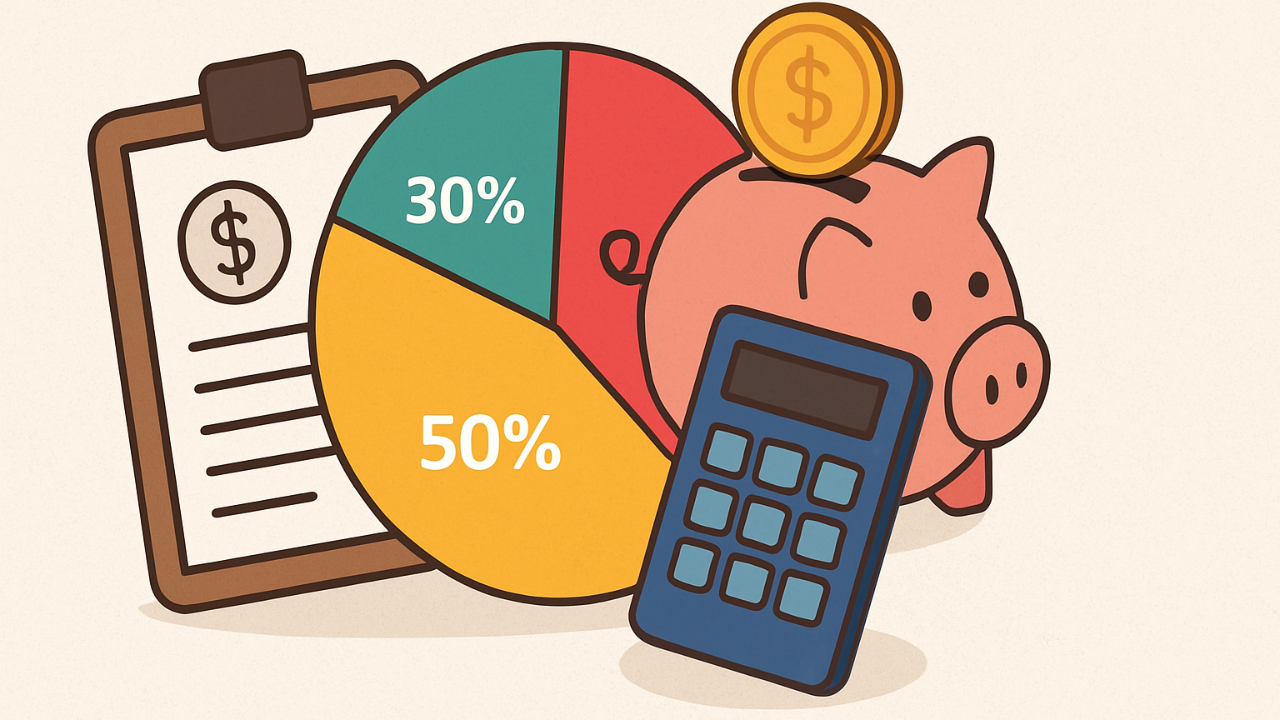
When most people hear the word budget, they picture rigid spreadsheets, line-by-line tracking, and guilt every time they overspend in one category. A percentage-based budget offers a different path—one that prioritizes flexibility, clarity, and sustainability over perfection.
The Basics: How a Percentage-Based Budget Works
A percentage-based budget allocates your income into broad categories using percentages instead of fixed dollar amounts. Rather than deciding you’ll spend exactly $350 on groceries each month, you decide that a certain percentage of your income will go toward essential living expenses, savings, giving, or discretionary spending.
Because the budget is tied to your income, it naturally adjusts when your pay changes—making it especially helpful for people with variable income, seasonal work, or fluctuating expenses.
A Common Example
While there’s no single “right” formula, many people start with a structure similar to this:
-
50% Needs – housing, utilities, groceries, insurance, transportation
-
30% Wants – dining out, travel, hobbies, subscriptions
-
20% Financial Goals – savings, debt repayment, investing, giving
These percentages are simply a starting point. You can (and should) adjust them to reflect your values, responsibilities, and season of life.
Why People Choose Percentage-Based Budgeting
A percentage-based budget works well for folks who want guidance without rigidity. Some of the key benefits include:
Built-in flexibility
If your income increases or decreases, your budget adjusts automatically without requiring a full overhaul.
Less micromanaging
You don’t have to track every single transaction to the dollar. The focus is on staying within category ranges, not perfection.
Values-aligned planning
Percentages make it easier to prioritize what matters most—whether that’s generosity, saving for the future, or creating margin for joy.
Ideal for variable income
Freelancers, entrepreneurs, clergy, and commission-based workers often find this method more realistic than fixed-amount budgets.
How to Create a Percentage-Based Budget
Getting started doesn’t require special software or complicated math. Here’s a simple process:
-
Know your average monthly income
If your income fluctuates, calculate an average based on the last 6–12 months. -
Choose your core categories
Most people use 3–5 high-level buckets (needs, wants, savings, giving, debt). -
Assign percentages intentionally
Let your values and goals guide your decisions—not just what budgeting rules say you should do. -
Track and adjust over time
Check in monthly or quarterly and tweak percentages as your life changes.
Who a Percentage-Based Budget Is Best For
This approach often resonates with people who:
-
Want structure without feeling constrained
-
Have irregular income or changing expenses
-
Prefer big-picture planning over granular tracking
-
Are building a healthier, shame-free relationship with money
If detailed spreadsheets energize you, another budgeting method might be a better fit. But if flexibility helps you stay consistent, percentage-based budgeting can be a powerful tool.
Final Thoughts
A percentage-based budget isn’t about controlling every dollar—it’s about creating a rhythm that supports your life. By anchoring your financial decisions to proportions rather than perfection, you leave room for both responsibility and grace.
As you design your own money system, remember: the best budget is the one you’ll actually use—and the one that grows with you.